
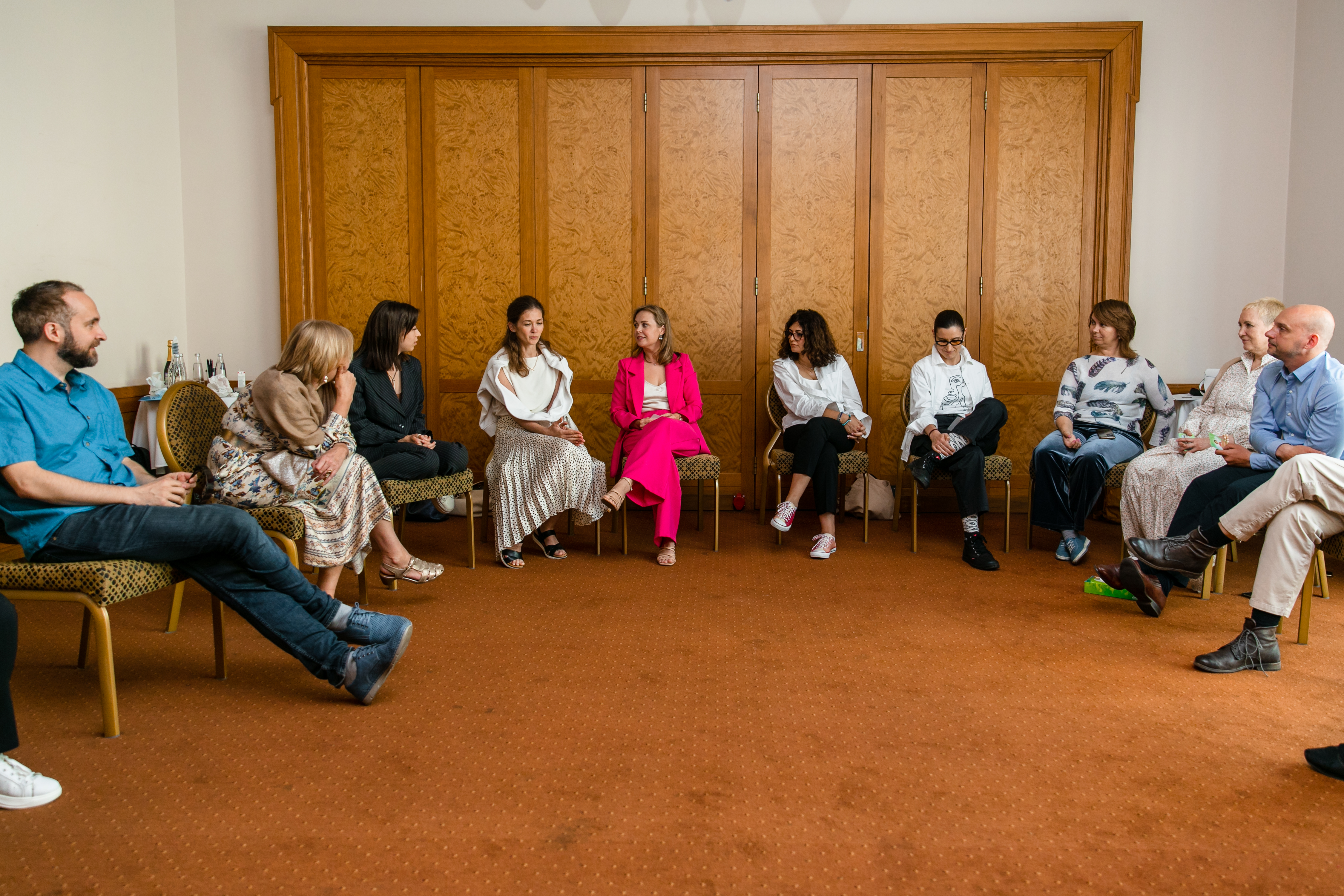
 In our time of change and instability, it is important to have support. Group therapy becomes a real salvation, helping people to adapt to new living conditions. In this article, I will talk about how my work as a group psychoanalyst helps people find support, faith and new solutions to start rebuilding their lives.
Why is support so important in a crisis
The situation that is developing in Ukraine, in the new Russian regions, in Belgorod, Kursk, as well as in Syria and Israel, underlines how important psychological assistance is. People caught in the middle of these events are experiencing severe emotional stress. That is why it is now so necessary to pay attention to the topic of mental health and find an opportunity to help those who have lost confidence, stability and hope for everyday life.
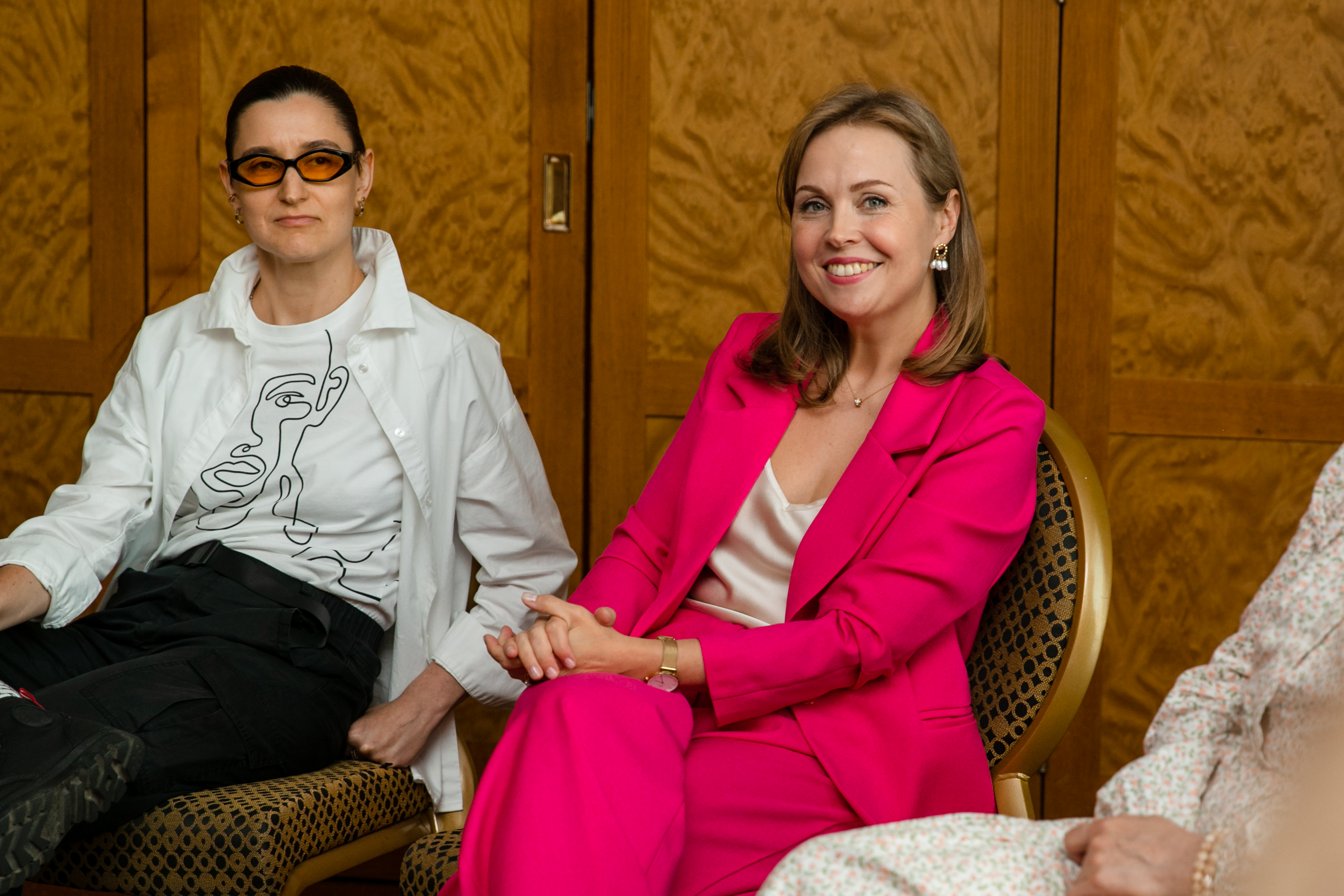
Group therapy: a unique way to support
I want to share with you my experience as a group psychoanalyst who worked from the danger zone – from Belgorod. This is a niche that remains poorly filled in our country so far. Such specialists are in demand abroad, because the group provides people with the opportunity to share their experiences and support each other. In Russia, there are not so many group psychotherapists, and this is an important issue worth thinking about.
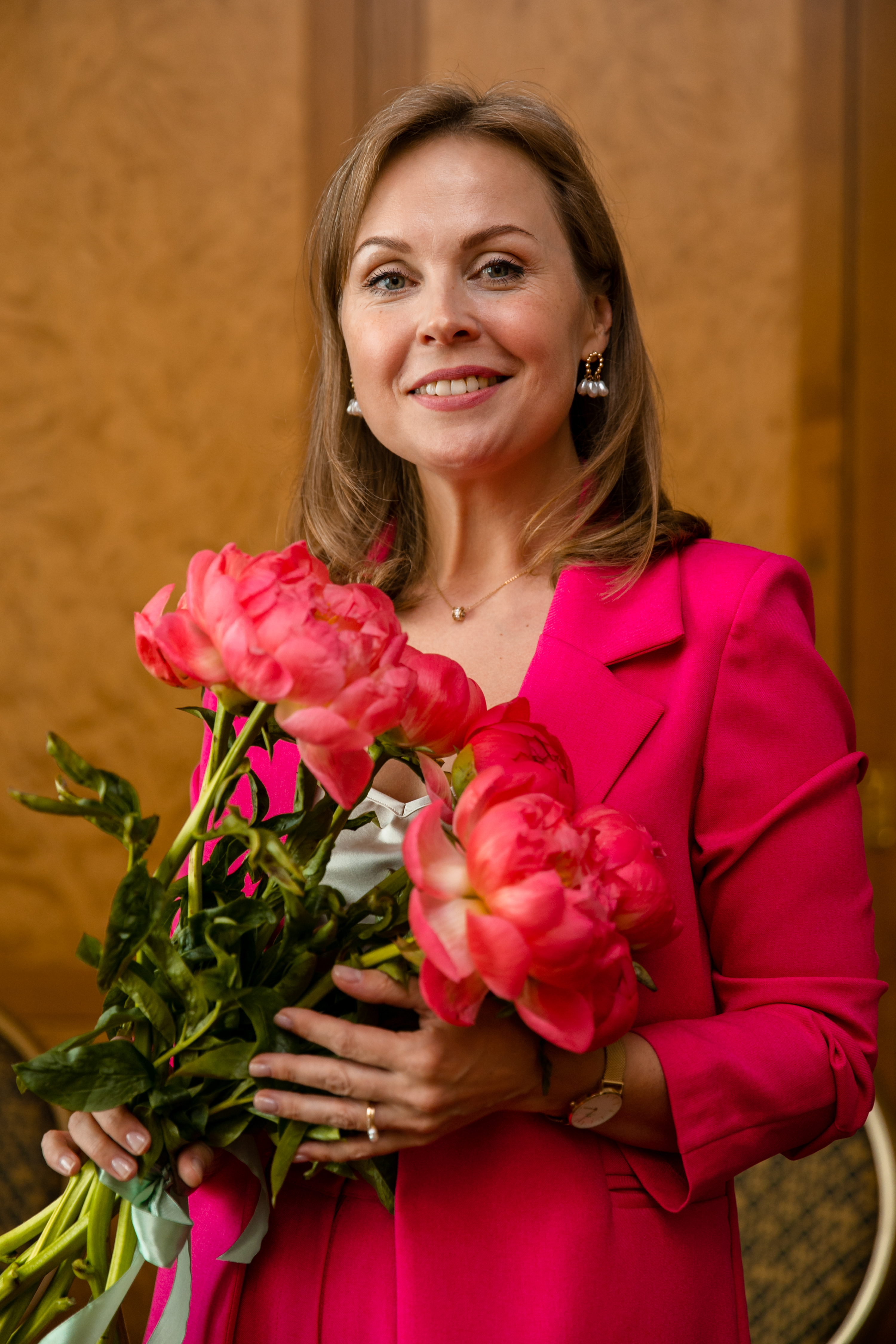
My path in the world of psychoanalysis
I received a master’s degree in psychology from the Moscow Institute of Psychoanalysis, was trained in group psychoanalytic psychotherapy and group analysis at the International School of Group Psychoanalysis and studied group psychology and leadership at the Institute of Psychodynamic Coaching. This allowed me to gain a deeper understanding of people’s emotional states and their needs. My clients are mostly women, and this is not accidental. They are a link in families — through them we can work with men, children and even with entire communities.
When the military operation began in Russia, I had already launched five groups, half of whose participants were from border areas where the situation was particularly tense. I saw how living in such a dangerous place affected people’s psyche. It’s hard to put into words how much horror and fear they brought to group therapy. It was painful to see how each of them had their usual life broken down. As in the ruins of the past, it was necessary not just to grieve, but to take active steps.
The process of accepting a new reality
We faced a difficult task — to realize that our lives in critical proximity to the conflict are no longer safe for our families. We have experienced loss together—of homes, of peace, and sometimes of hope for the future. Five times a week, I met with groups of 8-10 people, and we worked on accepting this new reality.
The participants shared their experiences and fears, and looked for ways to leave Belgorod and the region with minimal losses. This process was not easy, but together we coped.
Positive results of group therapy
I am glad to inform you that in 9 months of group work, all participants were able to change their lives for the better. Some bought new housing in other cities, others temporarily moved to rented apartments, but most importantly, they were all able to find work and start over even in better conditions than they had before. These are real successes, and they confirm that group therapy really works.
I received many warm words of gratitude from the participants. But for me, this path was also important. By helping others, I found the strength to make changes in my life. Our family also moved to St. Petersburg.
Steps to new opportunities
Our multipolar world is full of challenges, but also opportunities. Group therapy helps people not only to realize and accept changes, but also to find support among those who also go through this path. Together we share the bitterness of loss and rejoice in a new beginning.
The need for psychological support is now more urgent than ever. And I believe that it is through group therapy that we can create a space where everyone will feel heard and supported. Together we can move forward, grow, develop and restore hope for the future.
—
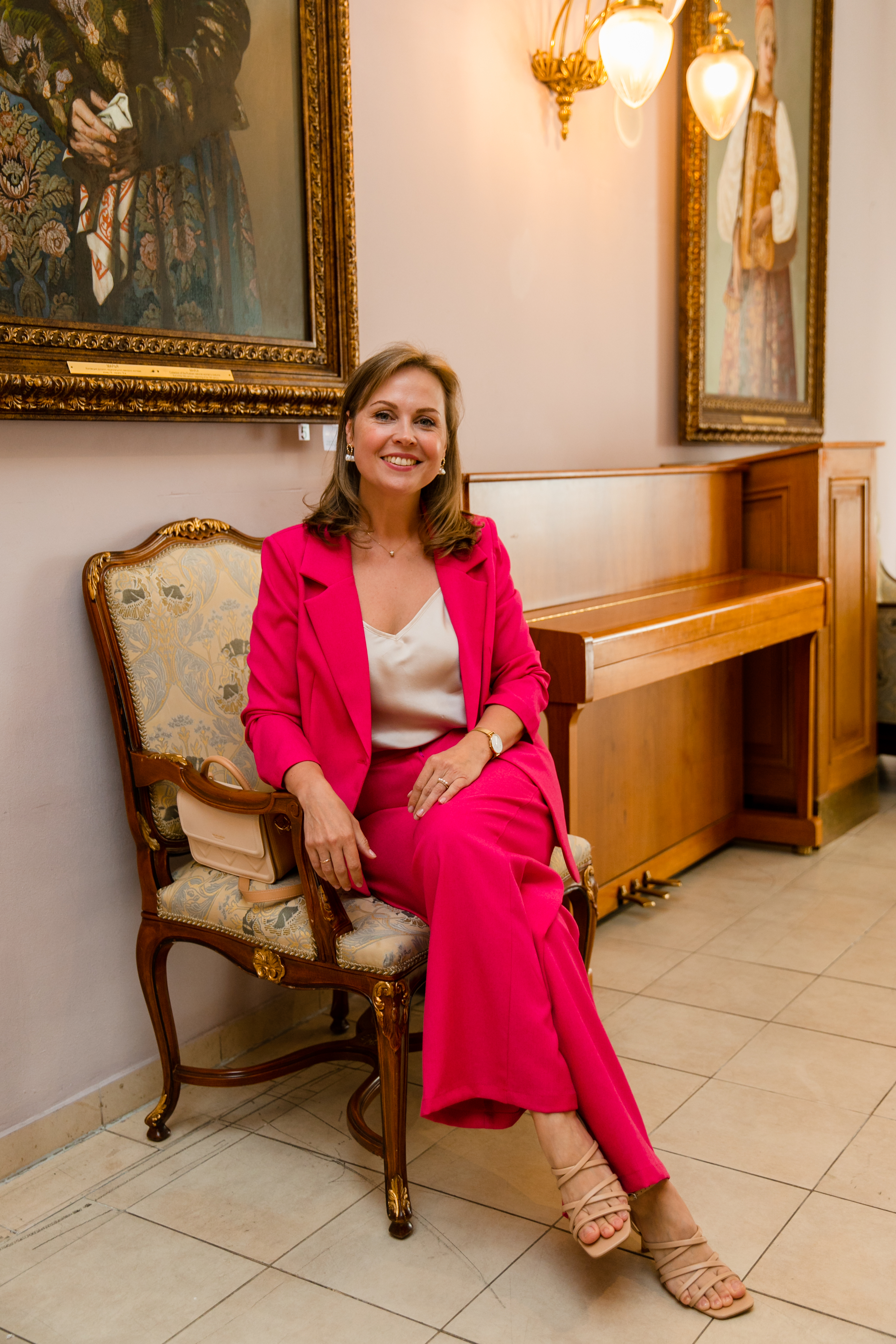
Olga Rybina is a Master of Psychology, psychologist-psychoanalyst, group psychoanalyst, Member of the European Confederation of Psychoanalytic Psychotherapy, an expert on TV and international publications.
Website: https://my-identity.ru